

03 Aug
Introduction
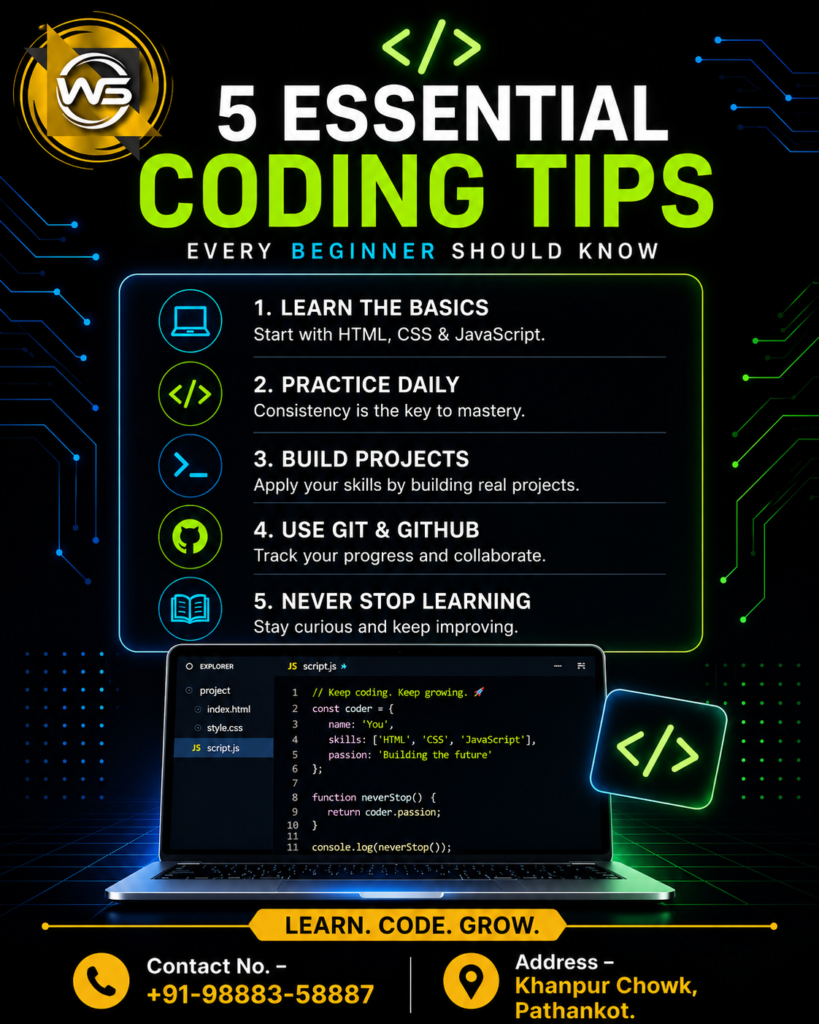
Every successful software project starts with writing clean and well-structured code. Following the Best Coding Practices for Developers helps improve code quality, reduces bugs, makes collaboration easier, and simplifies future maintenance. Whether you’re a beginner or an experienced programmer, adopting professional coding standards is essential for building reliable applications.
In this article, you’ll learn the Best Coding Practices for Developers, why they matter, and how they can improve your programming skills and software development workflow.
Why Coding Best Practices Matter
Writing code that works is only the beginning. Professional developers write code that is easy to understand, maintain, and extend.
Some key benefits include:
- Better code readability
- Easier debugging
- Faster development
- Improved teamwork
- Fewer software bugs
- Better application performance
- Simplified maintenance
By following the Best Coding Practices for Developers, teams can build scalable and high-quality software projects.
1. Use Meaningful Variable and Function Names
Choose names that clearly describe their purpose.
Poor Example
let x = 20;Better Example
let employeeAge = 20;Clear naming makes your code easier to understand for everyone.
2. Keep Your Code Simple
Avoid unnecessary complexity.
Simple code:
- Is easier to test
- Is easier to debug
- Performs better
- Reduces development time
Remember:
Simple code is smart code.
3. Follow a Consistent Coding Style
Maintain consistent formatting throughout your project.
Maintain consistency in:
- Indentation
- Spacing
- File structure
- Naming conventions
- Bracket placement
Use tools like:
- Prettier
- ESLint
- Black (Python)
These tools automatically format your code.
4. Write Comments Only When Necessary
Avoid commenting every line.
Good comments explain why, not what.
Example:
// Calculate annual salary after bonusInstead of:
// Add salaryClean code often requires fewer comments.
5. Break Large Functions into Smaller Ones
Each function should perform only one task.
Instead of writing a 300-line function:
- Create reusable functions
- Improve readability
- Simplify testing
- Increase reusability
6. Avoid Duplicate Code
Follow the DRY Principle.
DRY = Don’t Repeat Yourself
Instead of copying the same logic repeatedly:
- Create reusable methods
- Use classes
- Build helper functions
This makes future updates much easier.
7. Handle Errors Properly
Never ignore exceptions.
Example:
try {
   // code
}
catch(error){
   console.error(error);
}
Proper error handling improves user experience and application stability.
8. Write Secure Code
Security should always be a priority.
Best security practices:
- Validate user input
- Use prepared SQL statements
- Escape HTML output
- Encrypt sensitive data
- Store passwords securely
- Update dependencies regularly
Secure coding prevents common cyber attacks.
9. Test Your Code Regularly
Testing identifies issues before deployment.
Popular testing methods include:
- Unit Testing
- Integration Testing
- Functional Testing
- Performance Testing
Reliable software always includes proper testing.
10. Use Version Control
Every developer should use Git.
Benefits include:
- Track changes
- Restore previous versions
- Collaborate with teams
- Manage branches
- Resolve conflicts efficiently
Platforms like GitHub and GitLab make collaboration seamless.
11. Optimize Performance
Efficient code provides a better user experience.
Tips:
- Reduce unnecessary loops
- Optimize database queries
- Cache frequently used data
- Compress images
- Minify CSS and JavaScript
- Load resources asynchronously
Performance optimization improves both speed and scalability.
12. Keep Learning New Technologies
Technology changes rapidly.
Stay updated by learning:
- Artificial Intelligence
- Cloud Computing
- Cyber Security
- DevOps
- Machine Learning
- Modern JavaScript Frameworks
Continuous learning helps developers remain competitive.
Common Mistakes Developers Should Avoid
Avoid these frequent coding mistakes:
- Using unclear variable names
- Writing duplicate code
- Ignoring code reviews
- Skipping testing
- Hardcoding values
- Poor documentation
- Not following coding standards
- Ignoring security practices
Eliminating these mistakes leads to cleaner and more professional software.
Best Tools for Writing Better Code
Professional developers commonly use:
- Visual Studio Code
- GitHub
- Git
- Postman
- Docker
- ESLint
- Prettier
- SonarQube
These tools improve productivity and maintain code quality.
Conclusion
Following the Best Coding Practices for Developers is one of the most effective ways to become a better programmer. Clean, readable, and secure code reduces maintenance costs, improves collaboration, and creates reliable software applications.
Whether you’re developing websites, mobile apps, or enterprise software, applying these practices will help you write professional-quality code. Start implementing the Best Coding Practices for Developers today, review your code regularly, and continue learning modern development techniques to stay ahead in the software industry.
Contact No. – +91-98883-58887
Address – Khanpur Chowk, Pathankot.
Follow us on our Social Media Platform:
Frequently Asked Questions (FAQs)
1. What are coding best practices?
Coding best practices are guidelines that help developers write clean, efficient, secure, and maintainable code.
2. Why are coding standards important?
They improve readability, reduce bugs, simplify collaboration, and make software easier to maintain.
3. Which programming language should beginners learn first?
Python is widely recommended because of its simple syntax and broad range of applications.
4. How can I improve my coding skills?
Practice regularly, solve coding challenges, contribute to open-source projects, read quality code, and follow the Best Coding Practices for Developers.